~quote from Charlotte Bronte’s novel The Professor
What is sleep?
If you are like me, I grew up hating bedtime. As a child I would procrastinate. And beginning in my teen years, I developed a terrible habit of staying up past midnight. To me sleep was a waste of time.
How do you feel about sleep? Is it something you relish? Resist?
I think most people recognize that it is something we need, but WHY?
I propose that even when you integrate healthy eating habits, you may not see a change in your health until you surrender to your biological need for good, quality sleep.
Let’s dive in!
Surrender to simple biology
Humans have basically 4 biological drives: Eat, Drink, Reproduce, Sleep.
Every day our body battles with lots of stressors that create cellular damage. At night, we aren’t just making necessary repairs to the body, the brain is also busy consolidating memories and sending out instructions to prepare us for the next round of activity. The changes that happen at night are absolutely critical to how we feel the next day.
When all goes well, we wake up feeling “refreshed”.
Sleep is not a passive activity. It is the beginning of the biological day, not the end. The human body begins to get ready for the day the night before.
No scientific evidence that a drug, a device, or any amount of psychological willpower can replace sleep.
Biblical symbolism?
A whole separate blog post of its own, but when we read about creation in Genesis, daytime actually begins at sundown. Now there is a lot of symbolism we can glean from this. It is a picture of chaos to order, sin to redemption, and the concept that out of darkness came the light. And from what I have learned from circadian biology, nighttime is detoxification time and then the body is cleaned up and renewed for the next day. Amazing correlations!
It is interesting that in the Jewish tradition, the day begins with the sundown. This is based off of the verse in the first book of the Bible, when the story of Creation unfolds. For the Israelite, the next day started not when you woke up or at our traditional midnight, but at evening. Sabbath begins not Saturday morning but Friday night.
“So the evening and the morning were the first day.”
— Genesis 1:5
Your brain on sleep
Do you notice you are more irritable when you don’t have enough sleep?
Irrationality “I just snapped”
Amygdala - the gas pedal - key hot spot for triggering strong emotions
Prefrontal cortex - the brake
Striatum - Emotional center in the brain - becomes hyperactive in sleep-deprived individuals
Under-slept brain swings excessively to both extremes of emotional valence, positive and negative.
Depression, extreme negative moods, suicidal thoughts, aggression, bullying, behavioral problems, hypersensitivity, addiction
10 days of 6 hours of sleep a night was all it took to become as impaired in performance as going without sleep for 24 hours.
REM and NREM sleep
No one type of sleep is more essential than another.
Your body goes through cycles of sleep. For optimal health you need a balance of different types of sleep throughout the night. Adults need at least 7 hours of consecutive hours of sleep each night in order to complete all of the sleep cycles that the body uses for daily repair.
If you short yourself by 90 minutes or more, you lose 1 sleep cycle.
Within the 7 hour window of sleep, there are 4 critical hours from 10 pm to 2 am.
Each stage - NREM, deep NREM, REM - offer different brain benefits at different times of the night
REM is commonly understood, but happens in the later stages of sleep. REM stands for Rapid Eye Movement and it the time of sleep when we dream. We also have particular repair that is happening in the body during REM.
NREM is non-rapid eye movement and is the earlier stages of our sleep. Sleep specialists identify that both types of sleep are repairative to the body. However, falling to sleep after midnight can impact whether or not
Why do we get sleepy?
When you are awake, the body creates a chemical substance throughout the day. This chemical slowly creates pressure in the brain. This chemical is called adenosine or “sleep pressure”. When we sleep, this chemical is released and cleansed from the brain.
Sleeping essentially releases sleep pressure. Sleep pressure is the symptom you experience when you need sleep!
Sleep debt
Sleep debt is the difference between the amount of sleep you should be getting and the amount you actually get.
If you got 6 hours of sleep last night, then you are beginning your day with 1 hour of sleep debt.
When you go to sleep the next night, you first repay the debt from the previous night.
Sleep debt will increase your propensity to sleep.
Napping during the day is one way to repay your sleep debt.
Spiritual Symbolism
Evening is symbolized as obscurity, mixture, chaos, increasing entropy. Sin. Darkness.
The morning is the opposite of evening. Sunlight pierces the darkness and things become discernible. Entropy decreases, visibility is restored, and a seeming order ensues. Redemption.
The concept of an actual day beginning in the evening and progressing to daytime is a picture of redemption - from a world of darkness and the Savior coming into the darkness and bringing His light.
It is interesting that on a biological level that nighttime sleep is when our body is doing the important detoxification and healing work that creates more quality and longevity. Biologically alot of this work cannot be done while we are awake. It can only be completed while we are asleep.
It is if our Creator has designed our biology to be a picture of His work on the Cross.
Our Light Environment
There is a connection between your lighting environment and your health and your sleep is part of that picture. Our bodies are not designed for artificial light and this is a constant stressor. It is important to think about how humans lived before the invention of electricity and the use of artificial light.
Most people spend 95% of their day indoors. 30% of American adults have used sleep aids (prescription medications, over-the-counter medications or supplements, or cannabis) to help them sleep. 20% use sleep aids regularly. Only 55% of adults wake up feeling rested. More than ⅓ of adults in many developed nations fail to obtain the recommended 7-9 hours of nightly sleep.
Sleeping pills come with side effects and do not address the root cause.
Before the invention of the light bulb, people were only exposed to blue light during the day. According to some estimates, people in 1910 slept on average 500 hours more each year than we do today.
Circadian Rhythm
Circadian rhythm is the natural 24 hour cycle built into our biology. Every cell in your body runs on a 24 hour cycle.
Sleep is part of this biological rhythm. This is how your body knows it is time to sleep and is based off of your exposure to light. Humans have always used the sun as their main source of light until the past 100 years.
Mental Health & Nervous System
Sleep disruption contributes to all major psychiatric conditions including depression, anxiety, and suicidality.
Sleep is one factor that will shift you from being ‘sympathetic dominant’ to ’parasympathetic dominant. Fight/flight to rest/digest.
Hormonal Impact
According to Chinese Medicine, your endocrine system, gall bladder, liver, and lungs are all detoxing during normal sleep hours. This is why sleeping from 9pm-5am is a different quality of sleep than 9am-5pm.
Inadequate sleep disrupts blood sugar. When cortisol spikes, so does insulin. This is a survival instinct. If you need more energy to stay alive, you need more sugar in the blood.
Melatonin is supposed to get released when our eyes experience darkness. Melatonin helps turn other hormones on and off, helps turn our immune system on and assists us with repair and rejuvenation while we sleep. Melatonin is a hormone essential for good sleep and many other functions in the body. Melatonin production can only be produced by your brain if it has received enough sunlight during the day through your eyes.
Another interesting thing about melatonin is that your body is designed to release it based off of the first exposure to light in the beginning of the day.
Blue light stops the production and release of melatonin for up to 4 hours. Even if you fall asleep easily and sleep for 8 hours, half of your night’s melatonin could be affected. This results in brain fog.
Young men limited to 5 hours of sleep for one week had lower testosterone and lower sperm count, and dulled libido. Women have higher rate of abnormal menstrual cycles.
A woman’s cycle will fluctuate her need for rest and sleep, especially during menstruation.
Immune system
Routinely sleeping less than 6 hours/night weakens your immune system and increases your risk of cancer, Alzheimers, diabetes, blocked arteries.
A single night of 4 hours of sleep sweep away 70% of killer cells.
Sleep and your microbiome
Poor sleep {can be} due to worm infestations. . . microbial circadian rhythms affect the rhythms of our own biological clock. Modern lifestyles of staying up late, eating late disrupt circadian rhythms, can change your metabolism.
Toxins during second half of menstrual cycle can cause sleep problems.
The less you sleep, the more you are likely to eat.
Sleep restriction causes loss of hunger control.
Plentiful sleep makes your gut happier, especially in balancing the nervous system.
Cortisol cultivates bad bacteria to fester and causes gatrointestinal problems.
How does the body know what light it is receiving?
In your eyes, you have receptors called melanopsin receptors that read light. When you receive blue light, this stimulates cortisol and eliminates melatonin.
When you see blue light at night, you are shutting down melatonin. We often call this “getting a second wind”. Our mind starts racing with an increased stress response.
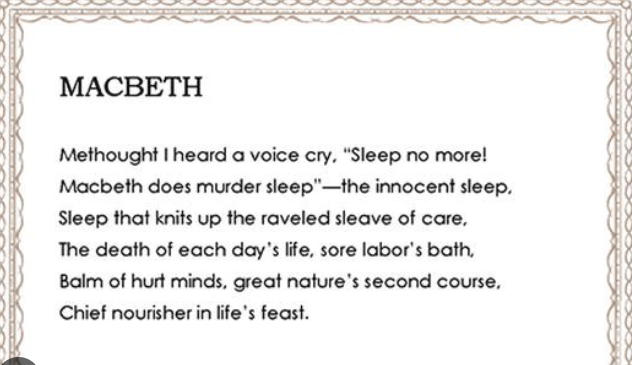
~”Sleep — the chief nourisher in life’s feast”
What to do improve your sleep:
Have a habit of reducing your stress. Journal, pray, talk to a trusted friend or family member. Manage your commitments and your time. Learn how to deal with conflict in a healthy way.
No screens in the bedroom
If you keep your phone in your room, put it on airplane mode. (it will still work as an alarm clock)
Dim your phone and still keep it somewhat out of sight
Get outside at dawn
Avoid all artificial light after sunset - ok lights are firelight, candles, moonlight, red lights
Don’t wear sunglasses
Don’t wear sunscreen
Eat your last meal before sunset. Your digestion slows down at night and large meals will cause indigestion. Food also keeps your body temperature too high for sleep.
Avoid drinking too many fluids before bed. Have your last drink an hour before bedtime.
Invest in quality blue-light blocking glasses
Keep your bedroom temperature low to 70* or lower. This causes your skin to be cooler and blood flows to your skin and drops your core temp.
Take a detox baths to prepare you for a good night’s sleep
Make sure your bedroom is pitch-black
If possible, switch to incandescent lightbulbs, “blue-free” LED’s, red light bulbs, or blue-light-free amber light bulbs
Keep lamps positioned at a lower level than overhead
Use f.lux app to lower or eliminate blue light on your computer screen. You can also add this onto your phones.
Stick to a sleep schedule and go to bed several hours before midnight. The sleep before midnight is more restorative than after. Try to go to bed and wake at the same time each day.
Don’t exercise no later than 2-3 hours before your bedtime as this will cause cortisol to spike.
Avoid caffeine and nicotine. Caffeine blocks the sleep receptor adenosine and thus you don’t feel sleepy. Caffeine has a 5 hour half-life, therefore is still in your body 10 hours after consuming. Nicotine is a stimulant and causes people to sleep lightly.
Eliminate gluten and raw or pasteurized dairy. Culture your dairy to reduce casein. Undigested gluten and casein can cause sleep problems.
Avoid alcohol before bed. Although it will help you relax, it will rob you of REM sleep, causes indigestion, and can contribute to impaired breathing at night. Alcohol will suppress REM sleep, especially during the first half of the night. The body metabolizes alcohol it produces by product called aldehydes and ketones. The aldehydes will block the ability to generate REM.
Don’t nap after 3pm
Relax before bed. Plan for time to unwind. Don’t have an argument before bed.
Sleep needs change through life’s stages. Circadian rhythms of different age groups, hormonal needs, and overall health and wellness will impact sleep needs.
How to use sleep to improve your health:
When you are sick, sleep as much as you can.
Sleep after passing a gall stone.
Sleep for better teeth. During sleep the enamel gets remineralised by saliva and microbial community in the mouth.
If you must be vaccinated, make sure to not have sleep deprivation.
A headache is a signal to slow down, rest, and sleep
Signs you aren’t getting enough sleep:
If you are finding you could fall asleep easily midmorning, you are very likely not getting enough sleep, or the quality of your sleep is insufficient.
Poor memory
Irritability
Poor focus, brain fog
**As a GAPS coach, I do not offer medical advise nor do I diagnose. I am summarizing the GAPS protocol as described and written about in the Gut and Psychology/Gut and Physiology books by Dr. Natasha Campbell-McBride.
Links:
Sources:
Gut and Psychology Syndrome, Dr. Natasha Campbell-McBride
Why We Sleep, Unlocking the Power of Sleep and Dreams, Matthew Walker, PhD
The Circadian Code, Lose weight, Supercharge Your Energy, and Transform your Health from Morning to Midnight, Satchin Panda, PhD
The Body Clock in Chinese Medicine, Understanding Our Energy Cycles for Health and Healing, Lothar Ursinus
Light, Sleep and Longevity: Reclaiming Your Circadian Rhythm in a Modern World, Thaddeus Owen, MS, circadian health expert, co-founder of Dream-Walkerz and PrimalHacker.
https://deeperchristian.com/evening-and-morning-genesis-1/
https://www.hebrewversity.com/why-jewish-time-begins-at-night/
Kids’ Resources:
Snoozefest, The Surprising Science of Sleep, Tanya Lloyd Kyi
